
Start Selling Online in India: Amazon, Flipkart & Meesho Onboarding & Growth Guide

Start Selling Online in India: Complete Marketplace Onboarding & Growth Support for Amazon, Flipkart, Meesho & More
The world of eCommerce holds massive potential for Indian sellers. Whether you’re a home-based entrepreneur, manufacturer, or small brand, online marketplaces like Amazon, Flipkart, Meesho, Myntra, eBay, and Alibaba offer access to millions of ready-to-buy customers. But the path from listing your first product to achieving consistent sales isn’t always straightforward. That’s where professional support becomes essential. At Nishkarsh Solutions, we specialize in helping Indian businesses launch, grow, and scale their online presence — from marketplace onboarding to digital marketing and website development.
Why Sell on Multiple Marketplaces in 2026?
While Amazon and Flipkart dominate the Indian e-commerce scene, newer players like Meesho, Nykaa, and Ajio are gaining traction. Selling on multiple platforms offers several advantages:
- Expanded Reach: Different marketplaces cater to diverse customer segments. For example, Amazon attracts tech-savvy buyers, while Flipkart has a strong presence in urban markets.
- Diversified Traffic: By listing products on multiple platforms, you tap into different search algorithms and customer bases.
- Competitive Pricing: You can adjust prices based on platform demand and competition.
- Brand Awareness: Being listed on multiple platforms enhances your brand's visibility and credibility.
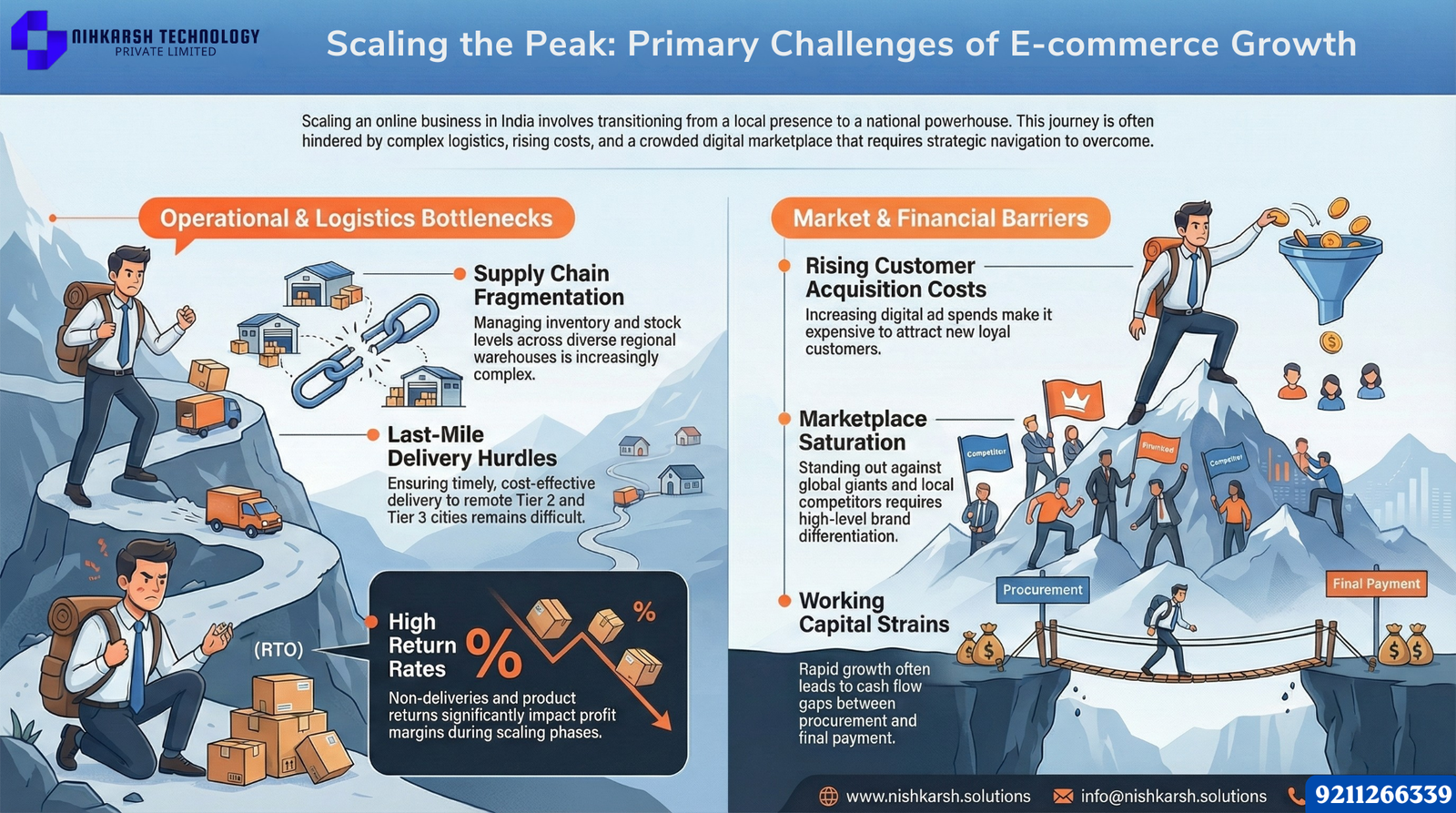
However, managing multiple listings manually is time-consuming. Automated tools and growth strategies are essential for scalability.
Step 1: Choosing the Right Marketplaces for Your Business
Not all marketplaces are suitable for every business. Here’s how to select the best ones:
1. Amazon India
Amazon is India’s largest e-commerce platform, with a vast customer base and robust logistics. It’s ideal for:
- High-margin products like electronics, fashion, and home goods.
- Businesses with strong brand recognition.
- Sellers willing to invest in Amazon’s FBA (Fulfillment by Amazon) for faster delivery.
2. Flipkart
Flipkart is the second-largest marketplace, known for its aggressive marketing and strong urban presence. It’s best for:
- Fashion, beauty, and lifestyle products.
- Businesses targeting metro and tier-1 cities.
- Sellers who want to leverage Flipkart’s Lightning Deals and SuperCoins programs.
3. Meesho
Meesho is a social-commerce platform ideal for small businesses and startups. It’s great for:
- Fashion, home decor, and accessories.
- Businesses with a limited budget for marketing.
- Sellers who want to leverage influencer marketing and social media integration.
4. Nykaa & Ajio
Specialized marketplaces like Nykaa (beauty) and Ajio (fashion) offer niche audiences. They’re perfect for:
- Beauty and fashion products with strong brand loyalty.
- Businesses targeting women’s products.
- Sellers who want to tap into curated shopping experiences.
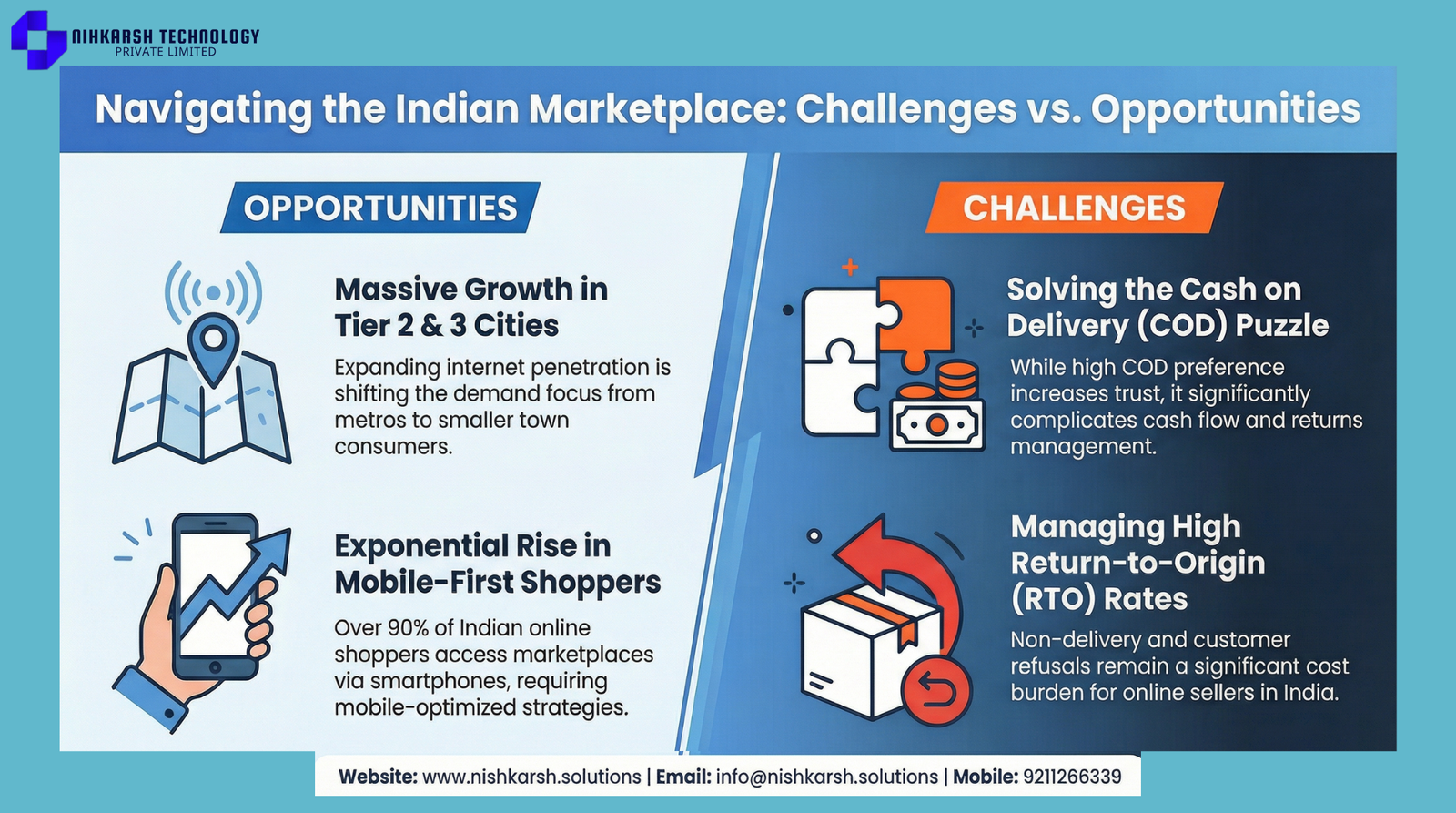
Before onboarding, analyze your product niche, target audience, and budget to decide which platforms align best with your goals.
Step 2: Onboarding Process for Each Marketplace
Each marketplace has a unique onboarding process. Here’s a simplified breakdown:
Amazon India Onboarding
- Account Creation: Sign up on the Amazon Seller Central portal.
- Business Verification: Provide GST, PAN, and bank details.
- Product Listing: Upload product details, images, and pricing.
- Logistics Setup: Choose between FBA or FBM (Fulfillment by Merchant).
Flipkart Onboarding
- Account Creation: Register on Flipkart Seller Hub.
- Business Verification: Submit KYC documents and bank details.
- Product Listing: Add product details, images, and pricing.
- Logistics Setup: Integrate with Flipkart’s logistics partners.
Meesho Onboarding
- Account Creation: Sign up on Meesho Seller Center.
- Business Verification: Provide GST and bank details.
- Product Listing: Upload product details and images.
- Logistics Setup: Choose Meesho’s fulfillment or self-shipment.
Each platform requires different documentation and compliance steps. Use a checklist to ensure you meet all requirements.
Step 3: Optimizing Product Listings for Higher Conversions
Your product listings are the first impression for potential buyers. Here’s how to optimize them:
1. Compelling Product Titles
- Use keywords like "best-selling," "trending," or "limited edition."
- Include brand names and key features (e.g., "Men’s Cotton T-Shirt – 100% Organic Cotton").
2. High-Quality Images
- Use professional photos with white backgrounds.
- Include lifestyle images showing how the product is used.
3. Detailed Descriptions
- Highlight key features, benefits, and specifications.
- Use bullet points for easy readability.
4. Competitive Pricing
- Research competitors’ prices and adjust accordingly.
- Offer discounts or bundles to attract buyers.
5. SEO Optimization
- Use relevant keywords in titles, descriptions, and backend metadata.
- Leverage Amazon’s A+ Content and Flipkart’s Rich Snippets for better visibility.
Consistency across all listings is crucial. Use tools like Google Sheets or Trello to manage product data efficiently.
Step 4: Leveraging Automated Tools for Efficiency
Managing multiple listings manually is tedious. Automated tools can streamline operations:
1. Listing Management Software
- Tools like SellerApp or ChannelEngine help sync product data across platforms.
- Automate title, description, and image updates.
2. Pricing & Inventory Tools
- Use platforms like PricingPanda to adjust prices dynamically based on competition.
- Track inventory levels in real-time to avoid stockouts.
3. Analytics & Reporting
- Tools like Power BI or Google Data Studio provide insights into sales performance.
- Monitor key metrics like conversion rates, customer acquisition cost (CAC), and return on ad spend (ROAS).
Automation reduces manual errors and saves time, allowing you to focus on growth strategies.
Step 5: Driving Traffic & Sales Through Marketing
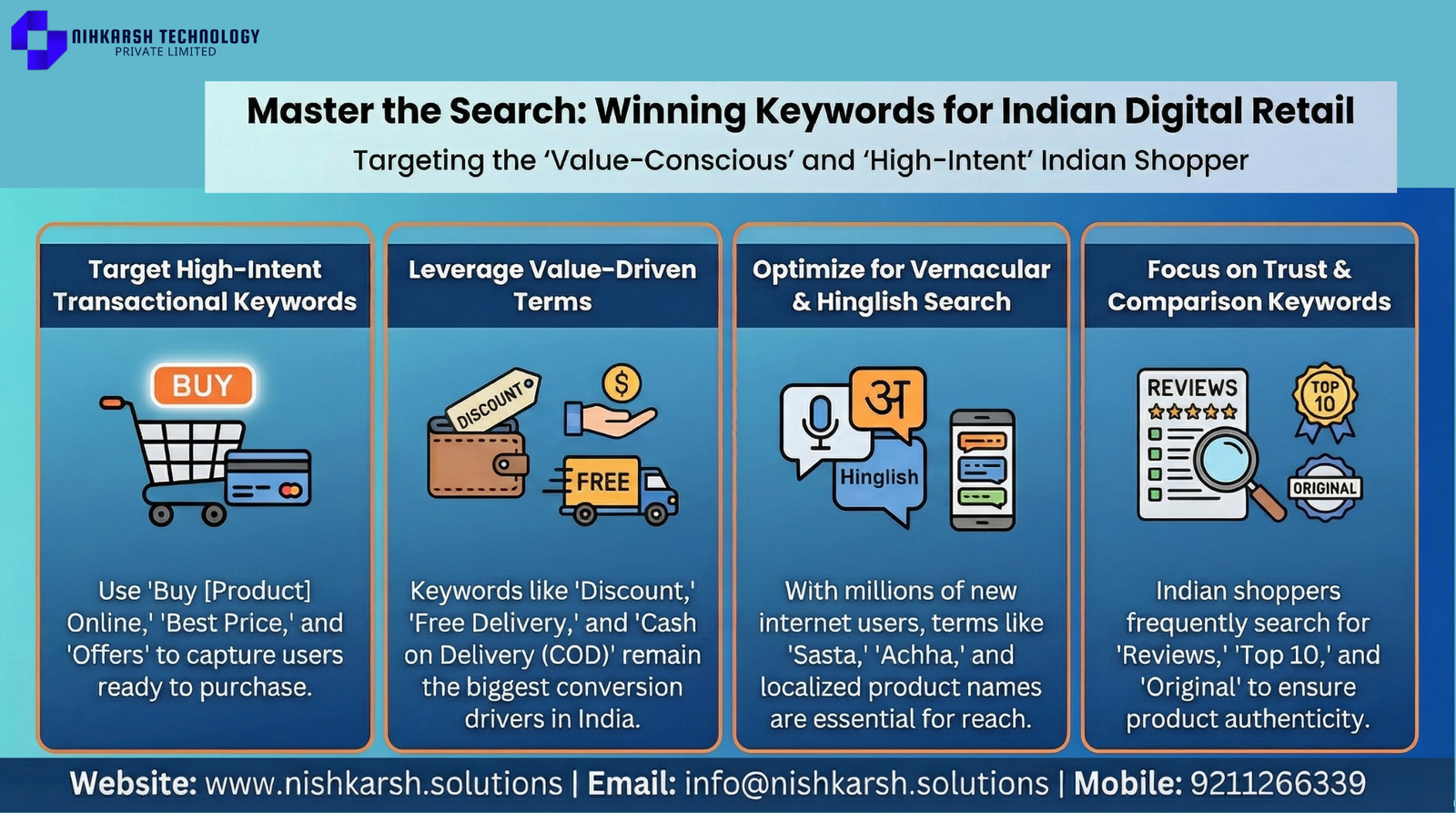
Marketing is essential for visibility and sales. Here are some effective strategies:
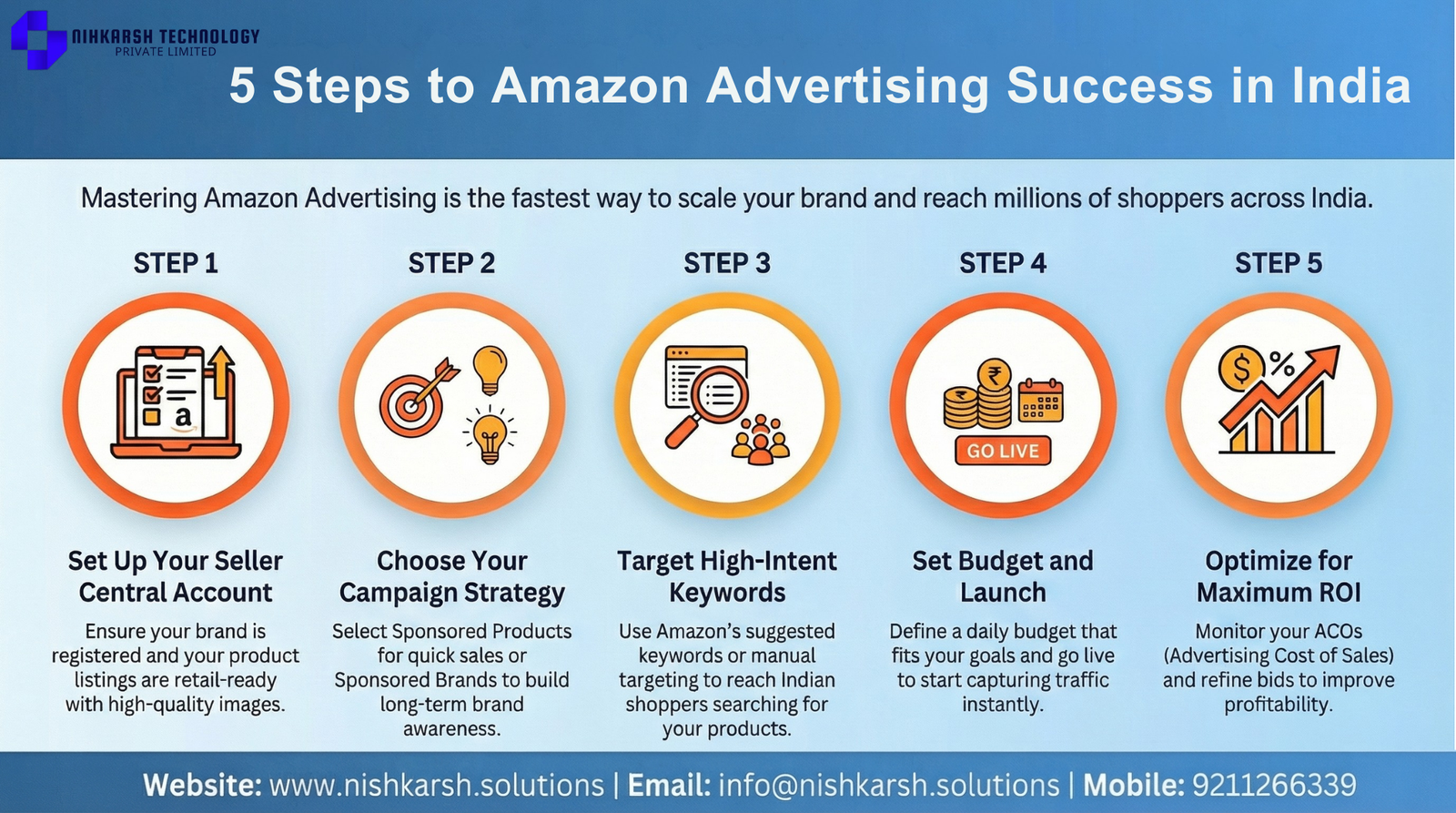
1. Sponsored Ads
- Run Amazon Sponsored Products, Flipkart Lightning Deals, and Meesho Ads.
- Use A/B testing to optimize ad creatives and targeting.
2. Social Media Marketing
- Leverage Instagram, Facebook, and Pinterest for influencer collaborations.
- Use UGC (User-Generated Content) to build trust.
3. Email Marketing
- Send personalized offers and promotions to past buyers.
- Use tools like Mailchimp or Klaviyo for automation.
4. SEO & Content Marketing
- Publish blog posts and videos on your website to attract organic traffic.
- Optimize for voice search, as smart speakers are growing in India.
Allocate a portion of your budget to paid ads and track ROI to maximize efficiency.
Step 6: Handling Customer Service & Returns
Excellent customer service is critical for retention. Here’s how to manage it effectively:
1. Automated Responses
- Use chatbots for instant replies to common queries.
- Implement FAQs on your website and marketplace listings.
2. Dedicated Support Team
- Hire or outsource customer service representatives.
- Ensure quick response times to resolve complaints.
3. Return & Refund Policies
- Offer hassle-free returns with clear policies.
- Use tools like Returnly to track and manage returns efficiently.
Happy customers lead to repeat purchases and positive reviews.
Step 7: Scaling Your Business with Advanced Strategies
Once you’ve established a strong foundation, consider these growth hacks:
1. Expand Product Lines
- Add complementary products to increase average order value (AOV).
- Use bundling and subscription models for recurring revenue.
2. Explore Wholesale & Dropshipping
- Partner with wholesalers for bulk discounts.
- Use dropshipping platforms to test new products without inventory risk.
3. Invest in AI & Predictive Analytics
- Use AI tools to forecast demand and optimize inventory.
- Leverage machine learning for personalized recommendations.
Continuous innovation keeps your business ahead of the curve.
Conclusion: Building a Sustainable Online Business in 2026
Selling online in India requires a strategic approach, from onboarding to scaling. By leveraging multiple marketplaces, optimizing listings, using automation tools, and focusing on customer experience, you can build a profitable online business. Stay updated with industry trends, adapt to changing consumer behaviors, and continuously refine your strategies to achieve long-term success.
Remember, the key to success is consistency, data-driven decisions, and a customer-centric approach. With the right mindset and tools, you can turn your online selling dreams into reality in 2026 and beyond.